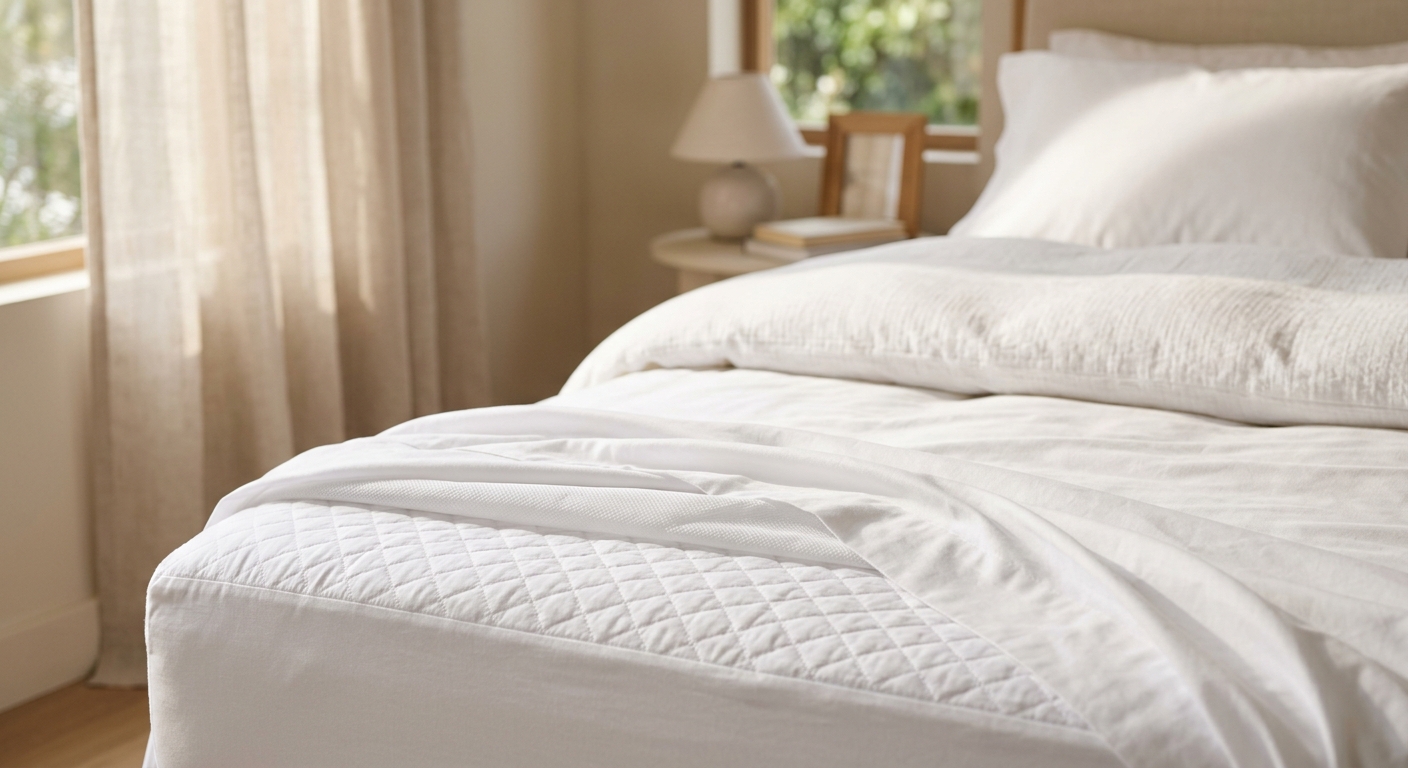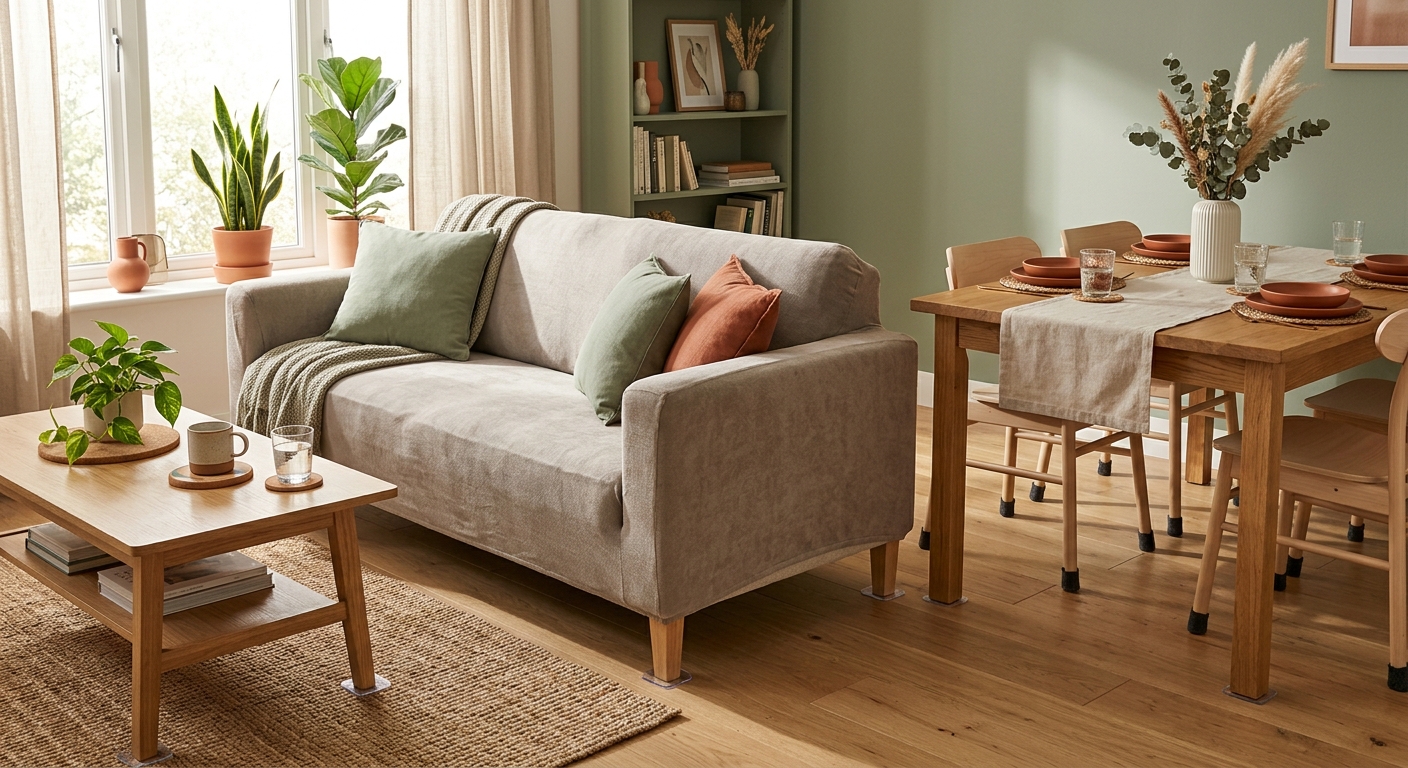
Furniture rarely gets destroyed in one dramatic moment. Instead, it wears down gradually — a scratch here, a faded patch there, a wobbly leg from being dragged across the floor one too many times. The good news is that most of this damage is preventable with small habits and inexpensive products. Here are ten practical ways to keep your furniture looking newer for years longer.
1. Use Felt Pads Under Furniture Legs
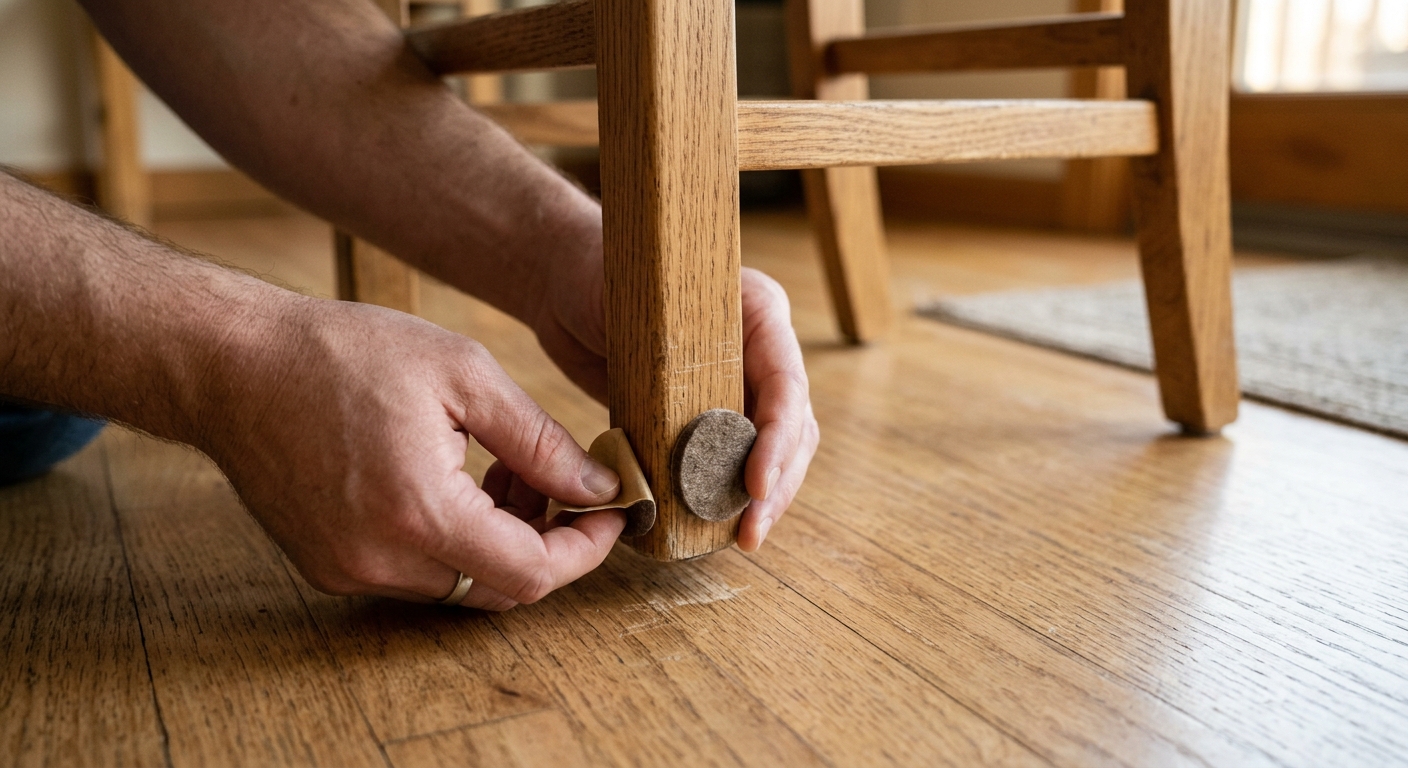
Every time a chair, table, or sofa leg makes contact with a hard floor, it has the potential to scratch. Felt furniture sliders or pads attach to the bottom of legs and create a soft buffer between wood and flooring. This is especially important for dining chairs, which get pulled in and out dozens of times a week.
2. Add Silicone Furniture Protectors to High-Contact Areas
Armrests, backs of chairs, and edges that regularly bump against walls or other furniture benefit from silicone protector pads. They absorb impact and prevent the small dents and scuffs that accumulate on walls and furniture corners alike.
3. Invest in a Quality Slipcover for High-Traffic Seating
A sofa or armchair that gets daily use — especially in a household with kids or pets — will show wear far faster than one in a formal, rarely-used room. A washable slipcover absorbs that daily wear instead of the upholstery itself, and it can simply be washed or replaced when it starts to look worn.
4. Rotate and Flip Cushions Regularly
Sofa and chair cushions wear unevenly because people tend to sit in the same spots. Rotating cushions every few weeks distributes wear more evenly, extending the life of the upholstery.
5. Keep a Pet Hair Remover Brush on Hand
Pet hair that is left embedded in upholstery fibers over time can work its way deeper and become harder to remove, sometimes affecting the fabric's texture. A silicone pet hair remover brush used weekly keeps hair from accumulating and makes deep cleaning far less necessary.
6. Use Rubber Furniture Pads for Heavier Pieces
Bookshelves, dressers, and other heavy furniture benefit from rubber pads that grip the floor and prevent slow sliding over time. This is particularly useful on hardwood or tile floors, where repeated small movements can leave visible scuff trails.
7. Address Minor Wood Damage Immediately
A small scratch on a wooden table left untreated can worsen with humidity changes and continued use. A wood furniture repair kit with matching stain markers or wax fillers lets you address minor scratches the same week they happen, before they become permanent, visible damage.
Example
Imagine moving a lamp across a wooden side table and leaving a light scuff. Treated immediately with a matching repair kit, it disappears in minutes. Left alone for months, the same scuff can darken and become a permanent blemish that catches the light every time someone walks by.
8. Protect Against Direct Sunlight
UV exposure fades fabric and wood finishes over time. Positioning furniture away from direct afternoon sun, or using curtains and blinds during peak sunlight hours, prevents the uneven fading that is difficult to reverse once it happens.
9. Use Coasters and Placemats Consistently
Heat rings and water marks on wood tables are almost always avoidable. Keeping coasters and placemats within easy reach — rather than in a drawer across the room — makes it far more likely they will actually get used.
10. Clean Spills Immediately, Not "In a Minute"
The single biggest factor in whether a spill becomes a permanent stain is how quickly it gets addressed. A spilled glass of wine on a sofa can usually be blotted and cleaned without a trace if handled within the first few minutes. Left to sit for even twenty minutes, it can set into the fabric fibers permanently.
Pro Tip
Keep a small furniture care kit — felt pads, a repair marker, a pet hair brush, and a clean cloth — in a drawer near your main living area. Having these tools within arm's reach makes it far more likely you will actually use them when a small issue comes up, instead of putting it off until the damage is worse.
Conclusion
None of these ten habits require a significant investment of time or money, but together they add years to the life of furniture that would otherwise show wear within a single season of regular use. Small, consistent protection beats expensive repairs or early replacement every time.
Explore our furniture care and protection essentials to build your own simple, effective maintenance kit.
Bonus Tip: Set a Seasonal Furniture Check
Beyond the ten habits above, it helps to build in a recurring check-in with your furniture roughly every three months. Walk through your home and look specifically for: loose felt pads that need replacing, cushions that need rotating, small scratches that have not yet been treated, and any silicone protectors that have started to peel or lose their grip. This kind of light, seasonal audit catches small issues while they are still easy and inexpensive to fix, rather than letting them accumulate into damage that requires professional repair or replacement.
Households that build this into an existing routine — for example, doing it alongside a seasonal deep clean — tend to stick with it far more consistently than those who try to remember it as a standalone task.