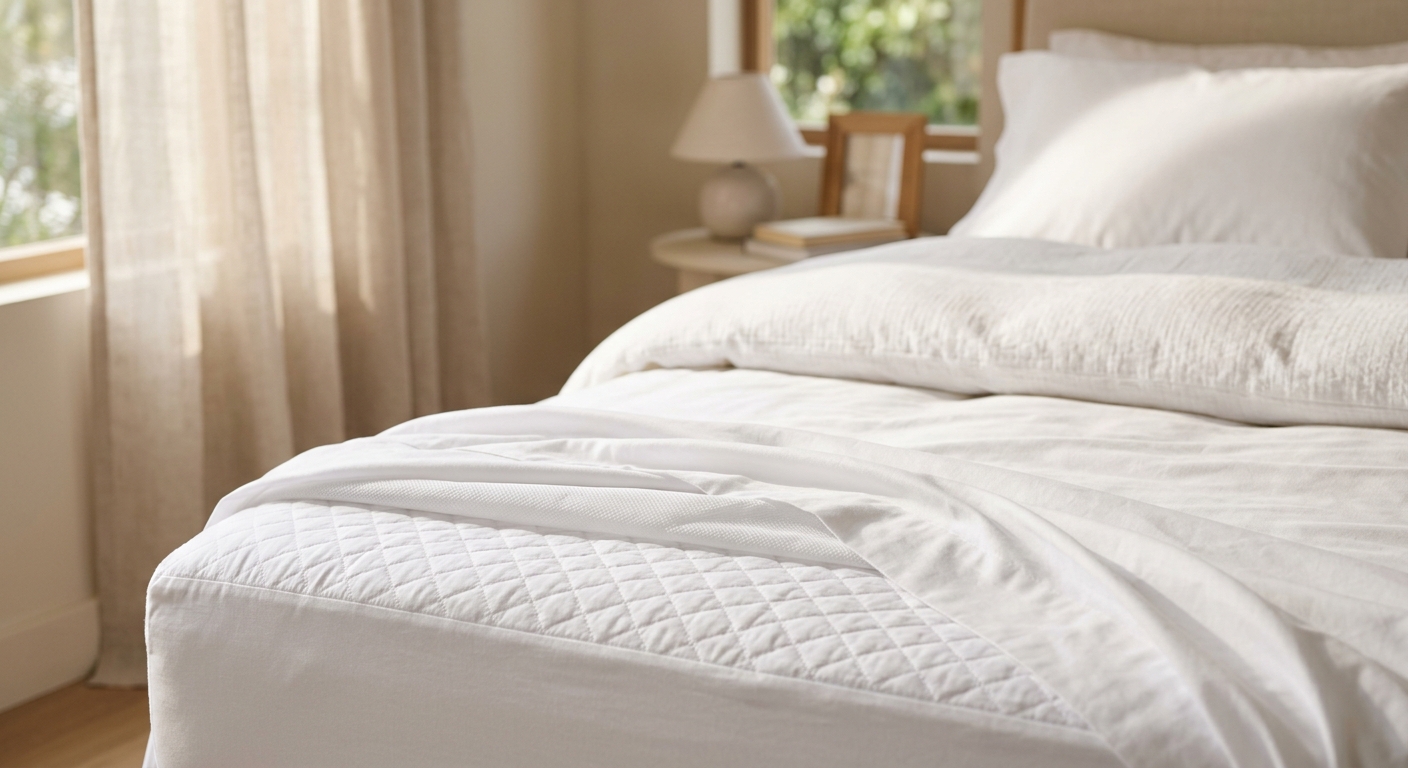
Most people spend more time deciding on a mattress than they do protecting it. It is easy to understand why — mattresses are a major purchase, and once it is in the bedroom, it is tempting to just make the bed and move on. But a mattress without a waterproof protector is exposed to spills, sweat, allergens, and dust mites from the very first night, and none of that is reversible once it soaks into the foam or coils underneath.
What a Waterproof Protector Actually Does
A quality waterproof mattress protector creates a barrier between your body and the mattress itself. This barrier does three main jobs:
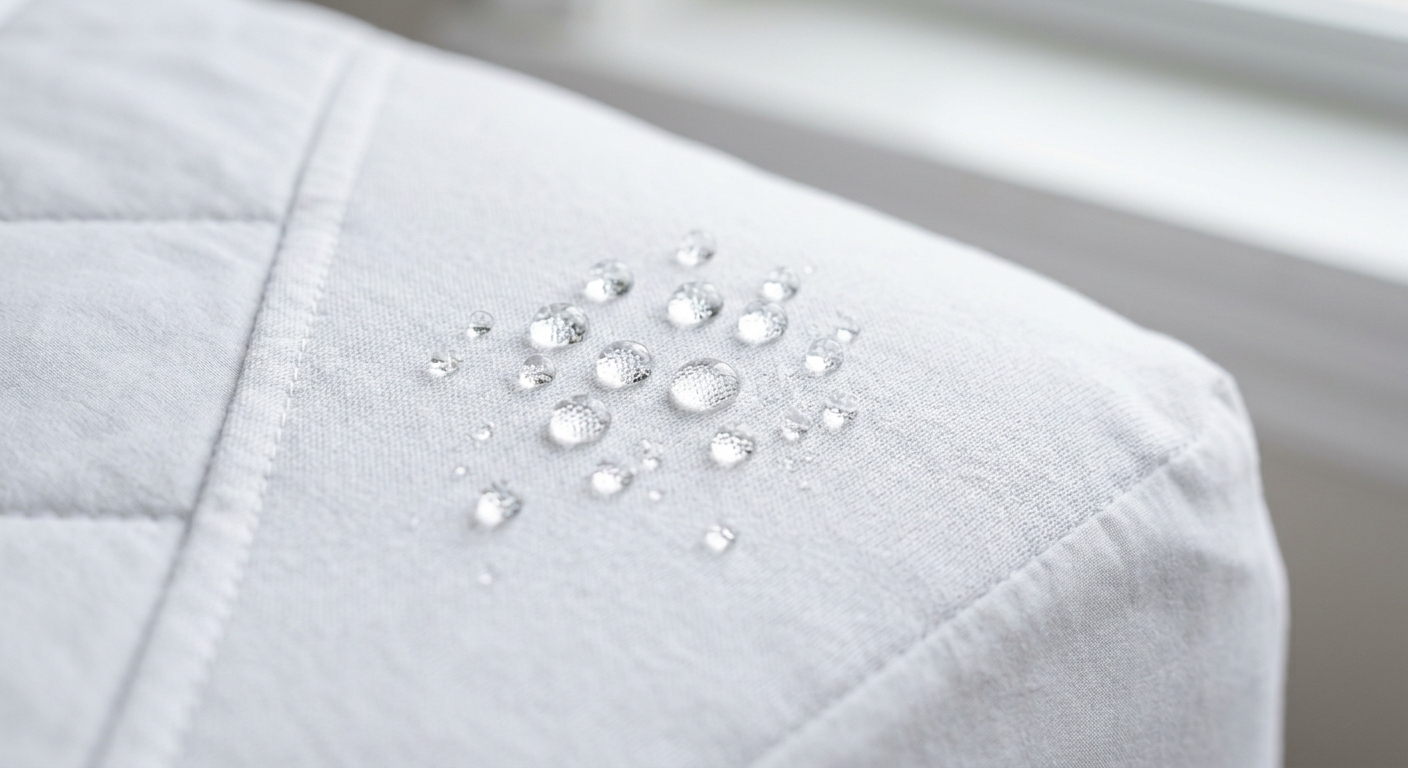
- Stops liquids — spills, sweat, and accidents — from reaching the mattress
- Blocks dust mites and allergens from settling into the mattress fibers
- Reduces wear from body oils and everyday friction
Think about a parent with young kids, or a household with pets that occasionally sneak onto the bed. Or consider someone recovering from an illness who sweats through the night. In every one of these situations, a waterproof layer is the difference between a quick wipe-down or wash of a removable protector and a permanently stained, odor-retaining mattress that has to be replaced years earlier than it should.
The Hidden Cost of Skipping One
Mattresses are expensive, and most warranties actually require reasonable care — including protection from stains and liquid damage — to remain valid. A mattress with a visible stain or odor issue can void a warranty claim entirely, even if the underlying defect is unrelated to the stain.
What Happens Without Protection
- Sweat and body oils gradually break down foam and fabric layers
- Spilled liquids can seep into coils, creating rust or mold risk
- Dust mites accumulate over months and years, aggravating allergies and asthma
- Resale or donation value drops significantly for a stained or worn mattress
Hypoallergenic Benefits Go Beyond Comfort
For allergy sufferers, a waterproof and hypoallergenic mattress protector is not a luxury — it is closer to a necessity. Dust mites thrive in the microscopic fibers of an unprotected mattress, and their waste is one of the most common indoor allergy triggers. A tightly woven, waterproof encasement physically blocks mites from entering or exiting the mattress, cutting off their food source and reducing allergen exposure over time.
People who wake up congested or notice their allergies flare specifically in the bedroom often see a real difference within a few weeks of switching to a properly sealed protector.
What to Look For When Buying One
Key Features
- Waterproof, not just water-resistant — resistant fabrics slow liquid absorption but eventually let it through
- Breathable membrane — a good waterproof layer should not trap heat or make noise when you move
- Full encasement vs. fitted sheet style — encasements zip around the entire mattress and offer the most complete protection, including against bed bugs
- Machine washable — protection is only useful if you will actually wash and reuse it
Pro Tip
If you sleep hot, look specifically for protectors described as breathable or moisture-wicking. Older-style waterproof protectors used a vinyl backing that trapped heat and made a noticeable crinkling sound. Modern polyurethane-backed protectors solve both problems while still being fully waterproof.
Real-Life Example: The Coffee Spill Test
Picture a Sunday morning — coffee in bed, a slight nudge of the cup, and suddenly there is a spreading stain heading toward the mattress. With a waterproof protector, the liquid beads on the surface and can be wiped away in seconds. Without one, that coffee soaks straight into the foam, leaving a stain and an odor that no amount of cleaning fully removes. This exact scenario plays out in bedrooms every single day, and it is the clearest illustration of why the extra layer matters.
Conclusion
A waterproof mattress protector is one of the least expensive ways to extend the life of one of your most expensive purchases. It protects against spills, reduces allergens, and keeps your mattress in warranty-compliant condition for years longer than it would last unprotected. If your mattress is currently bare, it is worth treating this as a priority rather than an afterthought.
Browse our waterproof and hypoallergenic mattress protectors to find the right fit for your bed size.
How Long Does a Protector Actually Last?
Quality waterproof mattress protectors typically last two to three years with regular washing, though this varies by material and how often the mattress sees heavy use. Signs it is time to replace one include a waterproof layer that no longer beads liquid effectively, fabric that has become thin or worn, or a zipper on a full encasement that no longer closes securely. Since a protector is significantly cheaper than a mattress, replacing one every couple of years is a minor cost compared to the alternative of unprotected years of wear.
Choosing the Right Size and Fit
An ill-fitting protector defeats much of its purpose. A protector that is too loose can bunch up during the night, creating an uncomfortable sleep surface and leaving parts of the mattress exposed. One that is too tight may not fully encase the mattress corners, leaving gaps where liquid or allergens can still get through. Always check the specific depth of your mattress — many run deeper than the standard 8 to 10 inches, especially pillow-top or hybrid models — and choose a protector rated for that depth, typically with elastic pockets or a fitted design designed to accommodate deeper profiles.